All Posts By

Robyn Ackerman

5 Ways to Grow a Nonprofit Through Social Media in 2023

In today’s digital age, social media has become an essential tool for nonprofits to reach and engage with their supporters. It provides a platform for nonprofits to tell their stories, share their mission, and connect with their audience in a more meaningful way. However, simply having a social media presence is not enough to grow a nonprofit organization. Here are five ways nonprofits can leverage social media to grow their organization in 2023. By following the tips in this blog post, you can use social media to connect with potential donors, volunteers, and partners, and raise awareness for your cause.

  1. Audit your current social media platforms.

Before you can start growing your nonprofit organization on social media, you need to audit your current platforms. Take some time to assess your current social media presence and identify any areas that need improvement. Are you posting regularly? Are you engaging with your followers? Are you using the right hashtags? Once you know where you stand, you can start to make changes to improve your social media strategy.

  1. Prioritize video content.

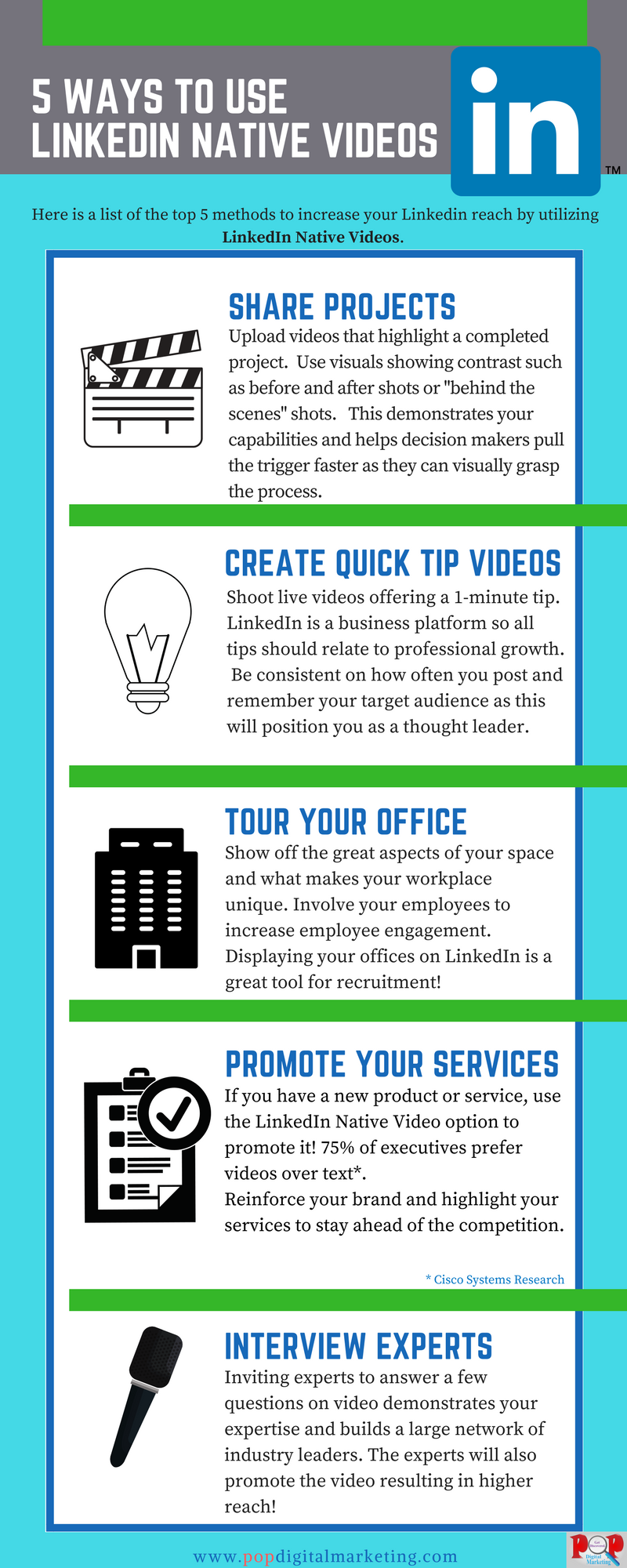
Video content is becoming increasingly popular on social media. In fact, video is expected to account for 82% of all internet traffic by 2022. If you’re not already using video in your social media marketing, now is the time to start. Video is a great way to engage your audience, tell your story, and promote your products or services.

  1. Use social media to tell your story.

Social media is a great way to share your nonprofit’s story with the world to raise awareness for your caus. Share photos and videos of your work, interviews with your staff and clients, and behind-the-scenes footage of your events. The more people see your story, the more likely they are to get involved with your organization.

  1. Engage with your followers and potential donors.

Social media is a two-way street. It’s not just about broadcasting your message to the world. It’s also about engaging with your followers and responding to their comments and questions. The more you engage with your followers, the more likely they are to stay engaged with your organization. Nonprofits can use social media to connect with potential donors and volunteers by sharing stories about your work, posting updates about upcoming events, and running online campaigns. For example, a nonprofit that provides food to people in need could post photos of the food they distribute, or a nonprofit that works to protect the environment could post updates about their efforts to clean up litter.

  1. Use social media ads.

If you want to reach a wider audience and grow your business quickly, you can use social media ads. Social media ads can be a great way to promote your non-profit or services to a specific audience. You can target your ads based on demographics, interests, and even keywords.

Growing a nonprofit through social media requires effort, dedication, and a clear strategy. By developing a strong online presence, creating meaningful relationships with supporters, and using social media to share your mission, you can make a real impact and grow your organization. Embrace the power of social media in 2023 and take advantage of the opportunities it offers to expand your reach and achieve your nonprofit’s goals. With persistence and a personal touch, your nonprofit can thrive and make a difference in the world.

3 Growth Strategies to Implement for the Spring

Running a business is difficult. Business owners take on so much to ensure they provide customers with innovative products/services backed by unparalleled customer service, lead employees to support growth, manage finances, build, and maintain business relationships, and find new ways for the company to grow and develop. 

Destress this Spring and watch your company grow with Pop Digital Marketing. At Pop, we give you the most innovative, precise, and result-oriented marketing strategies through our years of experience, dedication, and hard work. 

We guarantee results. Here are 3 growth strategies to implement as you make plans for the Spring. 

Increase Your Online Presence 

How often should you be posting on social media? 

Every social post is not going to hit your followers’ feeds, which is why it is important to stay active on all platforms as much as possible. This could be through Facebook stories, Instagram stories, posting a video sometimes, or just interacting with your audience through comments and replies. 

Social media is fast paced by nature, and content becomes obsolete quickly. While you do not want to overwhelm your following with too many posts, we see that a happy medium of 3-4 posts per week is optimal for staying top-of-mind. 

At Pop Digital Marketing, our team of social media experts can diversify your content to maximize engagement and engage with your audience to achieve the highest results. 

Write Blogs That Actually Encourage Clicks 

Do blogs generate leads? 

Blogs are extremely valuable to generate leads, brand awareness, and SEO. A HubSpot study found that 60% of people read a blog at least once a week. Yet, blogging requires a lot of work. It takes time to develop topics, write your content, and format and publish your posts on a regular and consistent basis. 

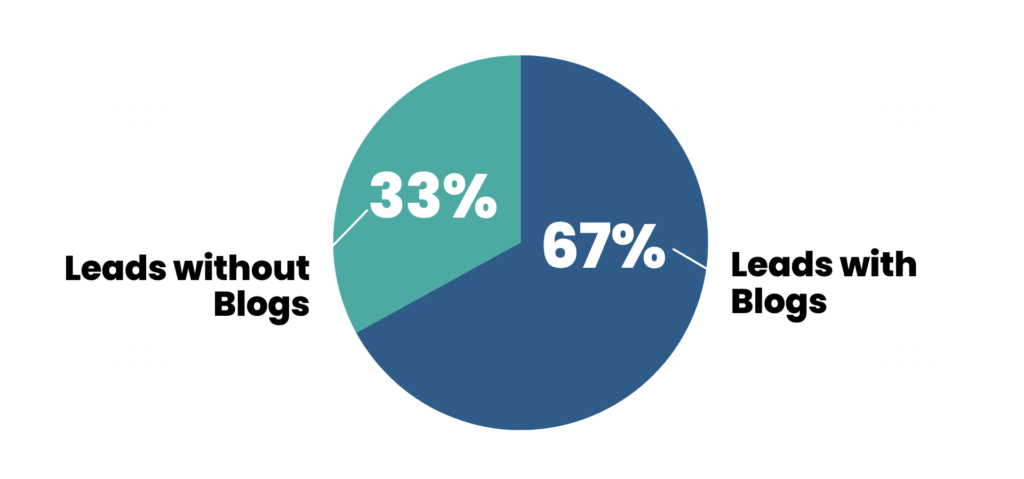
Blogs increase leads by 67% (Demand Metric). Blogging Improves your visibility. The more valuable pages you publish, the higher your page rank which means when leads type-in a search term that exists on your page(s), the chances of being seen are significantly higher. 
Blogs are a crucial part of content marketing but it’s no easy lift. We have a fantastic team of writers that create and optimize blogs for SEO to yield maximum results for our clients. It is time to have consistent fresh and engaging content on your website that keeps your audience coming back. 

Email to Stay Connected 

How often should you be reaching out to leads? 

Emails are effective in generating sales, enhancing customer or client engagement, acquiring new customers or clients, and creating consumer awareness and loyalty. Return on Investment or ROI for email marketing can be as high as 4400% (Campaign Monitor). 

If you are an e-commerce brand or have more than 10,000 contacts, 10-12 email per month is ideal. However, if you are a smaller business or service-centered company with less than 2,000 contacts, 3-4 emails per month is an ideal frequency. 

Creating an email is more than just a nice graphic and copy. There is so much that goes into email marketing behind the scenes. From developing an effective strategy, creating a lead generation funnel, building your referral lists, segmenting your audience by interest or activity, and creating click-worthy campaigns to collecting and analyzing the performance data. Our team at Pop Digital Marketing has the tools and knowledge to drive results. 

Finally, See the Results You’ve Been Waiting For 

This Spring, it is time to invest in results. When it comes to digital marketing, we do it all. Our team is constantly growing our knowledge base and technical skills to bring our clients the highest level of services available.  

Ready to see results and #GetDisovered? Contact us today to get started. 

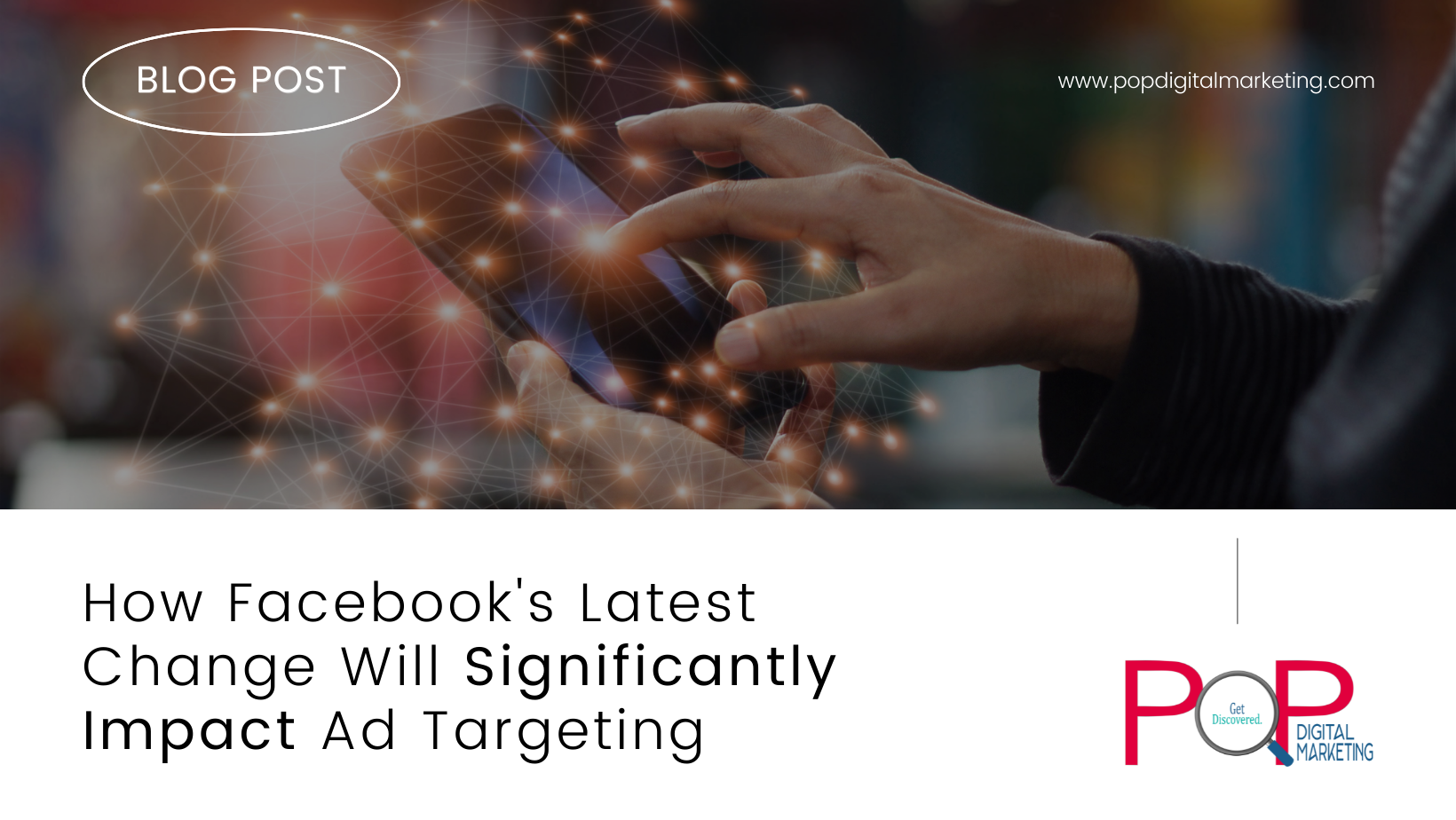
How Facebook’s Latest Change Will Significantly Impact Ad Targeting

Meta for Business and Facebook just announced that beginning Jan 19, 2022, they are removing “detailed targeting options” from the Ads Manager Tool that would be considered “sensitive topics” such as: 

  • Health causes (e.g., “Lung cancer awareness”, “World Diabetes Day”, “Chemotherapy”) 
  • Sexual orientation (e.g., “same-sex marriage” and “LGBTQ+ culture”) 
  • Religious practices and groups (e.g., “Catholic Church” and “Jewish holidays”) 
  • Political beliefs, social issues, causes, organizations, and figures 

For clients of PDM, many of which provide services in the healthcare, education or professional service  industries, this can have a negative impact on personalized ad reach. 

Thankfully, there are still ways to reach your audience: 

5 methods your company can implement to still drive conversions through Facebook Ads in 2022 

  1. Engagement Custom Audiences: Reach people who have liked your page or people who have engaged with your posts in their News Feed. These people have already expressed a direct interest in your services or products and ads will yield a higher success rate if shown to them. 
  2. Location Targeting: If you own a brick-and-mortar or are advertising a local event, you can reach people in a specific vicinity using location targeting.  For businesses that offer services in the home, or companies that ship products, you may set your radius around serviced zip codes and your ad will be shown to people in those targeted areas. 
  3. Lookalike Audiences: Similar to Engagement Custom Audiences, Lookalike audiences can be built to target Facebook/Instagram users that fall under the same user categories as a seed audience.  Use this option if you want to broaden your reach to people who share interests, locations and have purchased products or services similar to yours.
  4. Website Custom Audiences: You can build a list on Facebook Ads that retargets anyone who has previously visited your website. Using Website Custom Audiences is a powerful remarketing tactic that will increase your conversions by 56%. 
  5. Customer Lists. If you have already built customer email lists in your own CRM tool and have permission from subscribers to use their information, you can upload your lists into Facebook’s Custom Audiences. This tool will help you target, retarget, and stay top of mind with old and new customers.   

Initially, once these changes take effect in January, you may experience a drop in conversions. However, if you set up your ads using any of the above approaches, you can avoid a big decline and keep your engagement and conversion numbers growing. 

Looking for help getting your ads set up? Reach out to a Pop Digital Marketing specialist and Get Discovered. 

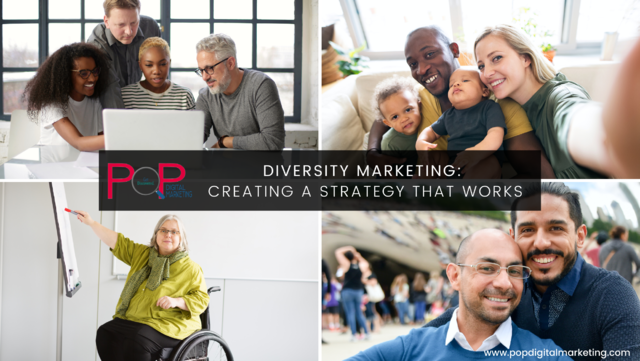
Diversity Marketing: Creating A Strategy That Works

 A recent study conducted by Adobe found that “61% of Americans find diversity in advertising important”. The modern consumer wants to feel seen by brands and diversity marketing is the key to achieving your audiences’ trust and approval. 

Diversity marketing allows your business to approach the market from a variety of angles and widen your reach. Brands often fail because their marketing is too narrow and doesn’t represent ‘real’ people in the present society. The present & future of marketing is now and it is diverse. Consumers are paying attention, are you? 

What Is Diversity Marketing? 

Diversity marketing is a marketing strategy that appeals to multiple groups of consumers. Successful diverse marketing stems from having a deep understanding of various cultures so that you can create effective and authentic content for your target audience. Brands often fail to reach these markets because their strategies are too narrow, only appealing to one or two specific groups.  

If you want to create an effective diverse marketing strategy, you need to go that extra mile to research and truly understand these diverse groups. You should learn about your target audience by asking questions and experimenting. The more effort you put forth helps to ensure that your brand’s diversity marketing strategy is a success.  

3 Steps in Creating a Successful Diversity Marketing Strategy: 


1. Learn and Understand your Company’s Diverse Market 

The first thing to do in diverse marketing is to dive deep into your consumer’s minds and learn about these different groups that exist. According to a recent report from Facebook, “most (71%) expect brands to promote diversity and inclusion in their online advertising”. Take the time to understand these groups and learn how they would want to see themselves in media, be spoken to, and discussed. 

2. Add Inclusive Imagery into Your Content 

People want to be able to see themselves in a brand’s advertisements and content. If a brand is only using images portraying one type of person, they are narrowing their audience. According to a report from Heat Test, “69% of brands with representative ads saw an average stock gain of 44% in a seven-quarter period ending last year”. Having a wider, more inclusive representation in your brand’s imagery is a key factor in a successful diverse marketing strategy. 

3. Strategize Ways to Prevent Tokenism 

Tokenism is the practice of only doing a symbolic effort to do a particular thing. This is basically when brands singularly try to appear more inclusive and diverse when they are actually doing this to just make their consumers happy. People are quick to know when a company is not authentic, and doing this can really damage your brand. Make sure you come from a place of sincerity and authenticity; this will ensure your diverse efforts will be a success.  

Successful Diversity Marketing: 

Creating a successful diversity marketing strategy doesn’t just benefit your brand and consumers, it influences the positive change of a more accepting cultural, inclusive, and diverse world. The team at Pop Digital Marketing aims to ensure our marketing strategies are as effective as possible for our clients. The more you understand your diverse audience, the more likely you will achieve success.  

Creating a Positive Virtual Culture for Your Company

Remote Company Culture

As 2020 wrapped over 50% of the American workforce had gone remote. According to a growmotely.com survey, 74% of employees expect to continue to work remotely indefinitely.  This has shifted the workforce to providing remote work from a once or twice a week perk to a full job expectation.

Organizations and companies who spent a good portion of the last 10 years building a positive in-person culture to attract and retain talent, now have to figure out how to transfer that culture online. To many, online access means more communication. To others, it leads to less interaction, less time to acquaint on a more personal level with co-workers, and ultimately less of a working relationship that generally builds comfort and positivity among staff.

One of the most underutilized marketing tactics is internal marketing. Get your team to love their work, their culture and they will organically market your company. So how do we modify our efforts of creating an in-person positive culture to that of an almost permanent positive virtual culture?

5 steps to create a positive virtual company culture:

  1. Revisit your company values, and make sure they still align with how you now function remotely. If employees feel that their work experience is not aligned with what your values state, there will be a disconnect. If need be, rewrite your company values to support your new way of internal efforts.
  2. Encourage open communication. Not like before. But really this time. Have an online wall of suggestions to make the company better and increase internal satisfaction. Microsoft Teams offers an excellent option for this through its “Channels”.
  3. Change your language. The way in which you refer to simple internal terms subconsciously sets the tone for each member. Take away terms like “daily tasks” that have a negative connotation to them. Use “Daily Goals” in your morning meeting language and end your days with each member noting their “Daily Accomplishments”.
  4. Create a positive online news board. Start progress tracking through a project management system like ASANA or Monday and share wins. This is where your employees get to share their accomplishments, co-employee gratitude, and more.
  5. Keep planning company events. Just because your company is mostly remote now, does not mean you have to cancel all events. You can hold a slew of online team-building activities or if enough of your team is local and comfortable, you can still continue quarterly/yearly outdoor events. The goal is to keep the fun current and the excitement ongoing.

What’s great about implementing all these ideas within your culture, is that these steps are all marketing tactics to increase internal brand happiness. Once your employees become accustomed to generating positivity virtually, it will trickle to their online actions as well. Those who were once reluctant to promote their work online are now embracing it and using the steps they found rewarding internally to promote where they work externally.


Ready to Get Discovered?


POP DIGITAL MARKETING NAMED ONE OF THE “BEST ENTREPRENEURIAL COMPANIES IN AMERICA” BY ENTREPRENEUR MAGAZINE’S 2019 ENTREPRENEUR360 LIST

FOR IMMEDIATE RELEASE
Contact: Robyn Ackerman
Pop Digital Marketing LLC
info@popdigitalmarketing.com
(224) 307-5240

POP DIGITAL MARKETING NAMED ONE OF THE “BEST ENTREPRENEURIAL COMPANIES IN AMERICA” BY ENTREPRENEUR MAGAZINE’S 2019 ENTREPRENEUR360 LIST

Skokie, IL, Pop Digital Marketing LLC (PDM) was recently recognized as one of the “Best Entrepreneurial Companies in America” by Entrepreneur magazine’s Entrepreneur360™ ranking, a premier study delivering the most comprehensive analysis of private companies in America. Based on this study forged by Entrepreneur, PDM is recognized as a well-rounded company that has mastered a balance of impact, innovation, growth leadership and value.

“Pop Digital Marketing is thrilled to be a part of an elite national list of fast-growing companies named on the Entrepreneur360 list. Our dedicated team works hard each day to ensure our clients’ needs are met and exceeded.” -Robyn Ackerman, CEO of Pop Digital Marketing.

“Every entrepreneur knows that a healthy business isn’t just about growth. It’s about being well-rounded—growing your culture and your systems as strongly as you grow your revenue,” says Jason Feifer, editor in chief of Entrepreneur Magazine. “That’s why we’re excited to celebrate these companies with our fifth annual Entrepreneur360™ ranking. The companies that make the list have pushed boundaries with their innovative ideas, fostered strong company cultures, impacted their communities for the better, strengthened their brand, and grown impressively as a result.”

Located in Chicago, we provide small, medium and large sized businesses the expertise, knowledge, creativity, and implementation of web marketing solutions to help “pop”, stand out from the competition and get discovered by customers.

Honorees were identified based on the results from a comprehensive study of independently-owned companies, using a proprietary algorithm and other advanced analytics. The algorithm was built on a balanced scorecard designed to measure five metrics reflecting major pillars of entrepreneurship—innovation, growth, leadership, impact and business valuation.

To learn more about Pop Digital Marketing, visit www.popdigitalmarketing.com.

For additional details on the E360 List and the companies recognized, visit: entrepreneur.com/360

###

Pop Digital Marketing is a fast paced and dynamic digital marketing company located in the heart of Chicago land. Established in 2013, we work with many prestigious organizations and companies, and are proud to share our expertise with companies that want to get discovered. We specialize in digital campaigns, including social media, optimization, email and PPC (Pay per Click), website design, and consultative services. Contact us at popdigitalmarketing.com.

ABOUT ENTREPRENEUR MEDIA INC.

For 42 years, Entrepreneur Media Inc. has been serving the entrepreneurial community by providing comprehensive coverage of business and personal success through original content and events. Entrepreneur magazine, Entrepreneur.com, GreenEntrepreneur.com and publishing imprint Entrepreneur Press provide solutions, information, inspiration, and education read by millions of entrepreneurs and small business owners worldwide.


How to use ‘Competitive Advantage First Language’ in your Marketing

The guidelines around how to develop effective messaging in your company’s ads have evolved considerably over the past 100 plus years. Fans of the TV show ‘Mad Men’ would be aware of the ad creation process in the 60s, which revolved heavily around storytelling via visual marketing collateral. And while that method is still well used, we now additionally rely on digital space advertising.

In the past, our ads drew on teasers, click-bait, and short descriptions in order to prompt prospects to click through to our product or service. As of the latest research, you have less than two seconds to grab the attention of a potential customer online – two seconds and they’re gone, they’ve already continued scrolling.

This means that the very first words a person sees on your posts, your ads and/or your website need to grab their attention immediately. One effective way to do this is by utilizing a competitive advantage first focused approach.

What is ‘competitive advantage first’ language’ marketing?

The competitive advantage first approach focuses on prioritizing your unique offerings, your differentiators in the very first copy of your ads – preferably at the beginning of the sentence.

If you’re unsure of what makes your company different, you’ll need to take a step back and do some hard research. Poll your current customers about what keeps them coming back, looks at what people are saying about your business in reviews, mentions on social, etc. What is it that comes up as the key defining feature that you want to be known for, and that others consistently refer to?

Why it works?

Very few businesses are entirely unique. There are likely hundreds or thousands of companies that do what you do, so you need to stand out to succeed. Catching the customer’s eye with your competitive advantage can be key to giving them a reason to click through.

Your secret sauce needs to be exactly what the customer needs, thinks he/she needs and/or doesn’t yet know they need yet. You are the answer to the question they’re asking.

Once you can adequately identify your competitive advantage, you can start working on the copy to place on your digital marketing campaigns. Your campaign language should visibly state how your service/product brings value.  If you only have those two initial seconds, it’s vital that the first words people see outline a value.

Remember to try and steer with positive adjectives, and to tailor each campaign to the audience you’re targeting.


Examples of Competitive Advantage First Language Ads:

Monday.com

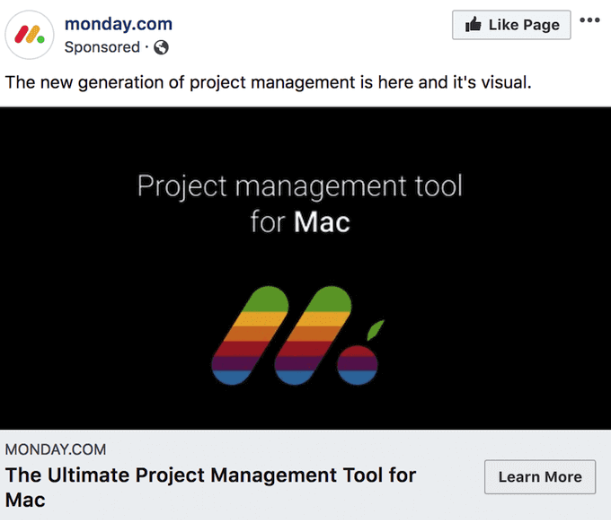
This ad is a prime example of presenting its value to a select audience. Their Competitive Advantage? They’ve done research on their audience and know the demographics they are targeting respond to adjectives like “new generation”.  They lead with that claim.

Additionally, Monday.com claims to be the project management tool for Mac users.  Visually, they fill in their logo with the Mac brand colors to connect the two even further.

Allbirds.com

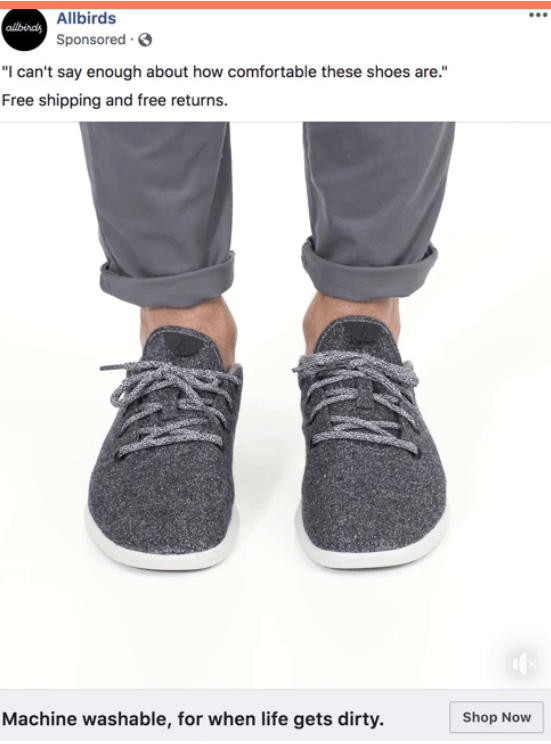
Allbirds successfully uses competitive advantage first language in this ad.  Look how they structure the ad copy under the video. Machine Washable is the biggest value and they placed that at the beginning of the sentence.  Normally it would be phrased, “When life gets dirty, you need machine washable shoes”.  But Allbirds took the value and restructured the sentence to grab the readers attention.

You can see how, by defining your key traits, you can boost your ad responsiveness. If there’s a key element you serve, it makes sense to highlight that in your copy – and with so little time to stop the scroll, you need to do so quickly.

 Need help with identifying your company’s Competitive Advantage? Let Pop Digital Marketing help you Get Discovered.

5 Free Tools to Monitor your Competitors’ Digital Marketing Campaigns

Creating a holistic digital marketing strategy can take months.  Effectively executing the strategy after tweaks, minimal fails and multiple learning curves can take up to a year.  One stage often omitted from this important plan is monitoring competition.   Watching your competitors online holds unparalleled benefits such as identifying market opportunities, connecting with companies you should be cross promoting, back-link insight, social listening and more.

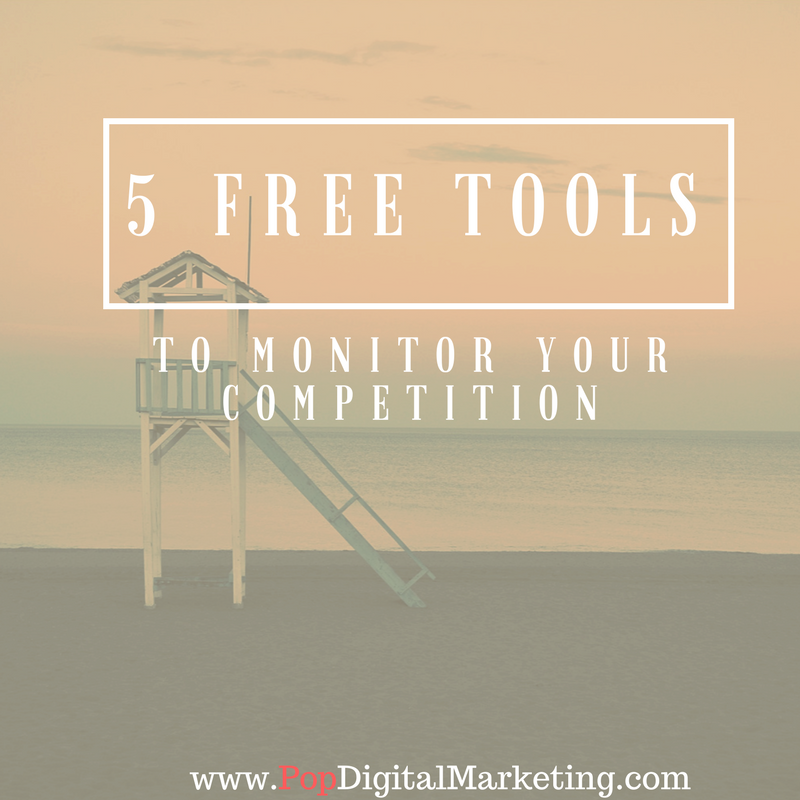
Monitor Online CompetitionHere are 5 Free Tools to monitor your competition:
  1. Google Alerts: One of the most underused tools, Google Alerts allows you to monitor the internet for “interesting content”. You can set up alerts for your industry keywords or even for mentions and articles on your competition.  Google alerts lets you customize the email reports you receive by how often you’d like the notifications, type of sources, the origin of source, and languages. Use alerts to drive trending content ideas and see how well your competition is doing with PR.
  2. Facebook Pages: Facebook offers page admins the opportunity to “watch” competitor Facebook pages. To add a competitor page, simply go to your page insights, scroll to the bottom and type in the name of the business you’d like to watch.  You can see the company’s follower growth, engagement and even the competitor’s top post from the past week.
  3. HootSuite: HootSuite is a simple social media publishing tool that also offers numerous in-platform apps to increase the overall user experience. One of the free apps, TrendSpottr enables you to set up multiple “streams” in your HootSuite to watch trending topics, keywords, brand reputation and even identify industry influencers.  HootSuite is also an excellent “social listening” tool for when potential customers are unhappy with the competition.  Below is an example of great social listening in action.  In this instance, I had tweeted dissatisfaction to Xfinity and within minutes received this tweet from their competitor: social listening example
  4. Alexa: Alexa is a brilliant tool that my company uses prior to working with any company to analyze their overall reach. It can also be used to analytically measure competition.  You can see how the competitor’s website ranks globally, what keyword searches are driving traffic to the site, which pages generate the highest engagement, and which sites link to the competitor’s site.
  5. SEM Rush: SEM Rush offers great analytical reporting on all aspects of digital marketing performance. With a free account, you can see how your competition ranks, the keywords that generate high traffic, and even view their AdWords and video ad campaigns.

Once you have all this data at your fingertips, it is time to utilize it wisely by crafting new campaigns.  Contact websites that link to your competitors to build new relationships, start focusing on keywords that drive heavy traffic to your competition’s site, avoid social media snafu’s that failed on your competitors’ platforms, and contact your competitor’s dissatisfied customers through social listening.

Employee Brand Ambassadors | Why and How

A couple of years ago, we posted an article on Word of Mouth Marketing https://popdigitalmarketing.com/word-mouth-marketing/.  The article explained the new wave of marketing tactics utilizing current “brand fans” through social media.

To reiterate, studies have shown that consumers are 65% more likely to choose a brand based on the recommendation of another customer or employee than buying from a brand based on an ad or company promotion.  Customers today rely on trust.  They trust other people, like them making every day decisions.  They trust people, not companies.

Benefits of an Employee Brand Ambassador Program

employee brand ambassadorBuilding your brand takes consistency, time and a strong brand strategy.  It also takes a strong community of fans.  Your employees play a fundamental role in promoting your brand.  If your company is listed as the employee’s workplace on Facebook, LinkedIn or other social media platform, each and every time your employee engages in anything, they are representing your company.  Once your brand strategy and brand promise have been developed, you must train your employees in what your brand story is.  What your company represents.  The problem your service or product solves.

Employee Silence is Loud

Your employees have the potential to expand your reach exponentially.  Silence speaks volumes.  If your employees never endorse your brand, that sends a very clear message to customers.  They don’t love it. They do not believe in it.  If your employees are engaged in and passionate about promoting your company, they will “sell”.   It makes people excited to be a part of something everybody loves.  It’s also great for recruitment.

How to Build Your Employee Ambassador Program

  1. Develop your brand. This is the backbone of your program.  You cannot continue until you have this set in stone.
  2. Train your team. Your entire company must learn, understand and believe in your brand.  If they do not, it may signal that you aren’t delivering your brand promise and need to re-evaluate either your brand promise or the process of your services/products.
  3. Choose an Ambassador Leader. The Ambassador Leader is someone in your company that loves everything about coming to work. They already show their ambassadorship, share your company news online, have a strong following online and are an “influencer” online and off.  This person does not need to be in your marketing department and can be at any level of management.
  4. Make the program optional. You only want people participating if they choose to. If it is forced on everyone, it will show.  The Ambassador Leader should assemble an Ambassador Team of employees that are excited to be a part of this new program.
  5. Set expectations. Make sure the program has very clear and easy guidelines.  The easier the program is to participate in, the more employees will want to join.   If you are using an ambassador management system, provide each participant with a tutorial.  If you are not using a system, make sure create your own standard process.
  6. Don’t write scripts…..but have materials ready. Allow each team member to promote the materials in his or her own words.  Again, we want to work off trust.  If customers see everyone writing the exact same script, it becomes an ad, not a genuine referral.   If you are not using an Ambassador system, you can use google docs to place all the types of content/materials you want promoted, and track employees’ efforts there.
  7. Lead by example. Don’t expect employees to be passionate about your brand if your top executives are not.  The leaders of your company do not necessarily need to participate in the program for rewards, but they absolutely should use the material to promote on across their various networks.
  8. Measure and Reward. Make sure you have a measuring system set.  Hashtags are an excellent tool for measuring.  Choose a specific hashtag such as “PopDigitalMarketinglife” and check it on a weekly basis.  Your Ambassador Program should provide rewards as well.  Rewards must be attainable and set on a short term basis (people like immediate results).  Rewards can range from praise and recognition, gift cards, group lunches to elaborate gifts.